Harry Potter·Ron Weasley
The Rules of WerewolfHarry Potter/Ron Weasley represents one of the story’s most durable post-war bonds: a friendship expressed less through formal declarations than through shared meals, domestic familiarity, teasing, and the assumption that one friend will follow when the other moves. Their relationship gives the social world around Hermione Granger a settled center even as old rivalries and new romantic possibilities unsettle the group.
Identity and Domestic Foundation
Harry Potter and Ron Weasley are shown together at 12 Grimmauld Place, where they are eating shepherd’s pie when Hermione Granger arrives. Harry immediately pushes the dish toward her and offers her some, while Ron continues eating and later finishes his plate before reaching for more. The scene makes their shared life feel habitual rather than ceremonial: the two men occupy the kitchen as companions at ease in one another’s presence, surrounded by a home Harry has improved over the preceding two years.
Their familiarity also includes a common history with Hermione Granger. When she apologizes for still not knowing how to act around them, Harry responds with reassurance, and Ron dismisses her concern by insisting that the others are fine. His intervention is characteristically direct, but it is also protective of the group’s emotional equilibrium. Harry and Ron are not merely listening to Hermione’s uncertainty; they are helping normalize her place among them after changes in their former relationships.
Shared Social Judgment
The friends’ conversations reveal a relationship built on rapid exchanges and mutual confidence. Ron refers to Draco Malfoy as “that git,” and Harry understands immediately whom he means, explaining that Draco Malfoy is a friend—or at least friendly—and that they work well together. Ron remains suspicious, calling Draco Malfoy “that Ferret,” while Harry tolerates the objection without allowing it to determine his own working relationship.
This disagreement shows that their long friendship permits friction without threatening the bond itself. Ron can voice distrust of Draco Malfoy in deliberately unfiltered terms, and Harry can correct him while continuing the conversation. Their shared judgment is therefore not identical: Ron retains a stronger instinctive resistance to an old enemy, whereas Harry is willing to recognize a changed professional and social reality. The difference becomes a form of familiar debate rather than a rupture.
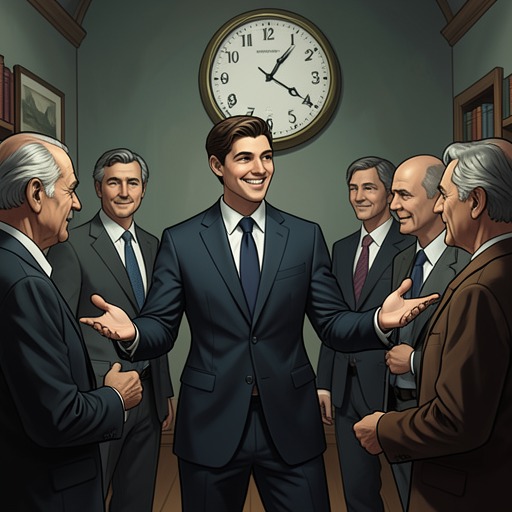
Ron also relies on Harry as a social partner when Hermione announces that all of them must attend Theodore Nott’s birthday gathering. He complains about going to the party, but Harry counters with the prospect of an impressive Firewhiskey collection. Their exchange turns reluctance into a joke and shows how readily they negotiate plans through comic resistance. When the group prepares to enter Nott Manor, Ron pushes Harry to go first, while Harry opens the double doors and ushers everyone inside. Even in a larger gathering, they move as a pair: one voices the complaint, the other absorbs or redirects it, and both proceed together.
Friendship in the Group
Harry Potter/Ron Weasley also functions as a bridge between the older Gryffindor circle and the former Slytherin group. Hermione Granger insists that everyone attend Theodore Nott’s birthday because they are friends and should go out together again as a group. Harry and Ron are initially reluctant, but they accept the plan and arrange to meet at Hermione Granger’s home before traveling together. Ron promises to tell Neville Longbottom if Harry tells Ginny Weasley, turning attendance into a coordinated group effort rather than an isolated obligation.
At Nott Manor, their contrasting reactions remain complementary. Harry is eager to inspect the bar and samples new Firewhiskey with Pucey, while Ron threatens to take one drink and leave if the Slytherins spend the evening flirting with Ginny Weasley and Hermione Granger. Harry answers that the alcohol is free and top-shelf, using a practical pleasure to defuse Ron’s irritation. Later, Ron abandons Hermione Granger’s conversation as soon as she points out a Phoenix Flint chess set, and Harry and Ron are eventually found absorbed in their chess game for about an hour. The game is a concrete emblem of their shared ease: while the party’s social tensions intensify elsewhere, they settle into a familiar activity together.
Their chess-playing also means that they initially miss Hermione Granger’s emotional crisis. When she storms away after Draco Malfoy publicly provokes her, Harry and Ron look up only for the first time in an hour. Harry asks what her problem is, while Ron privately admits that Hermione Granger can still be frightening. Their response is imperfectly observant but unmistakably intimate: they know her force of personality, recognize her sudden departure as unusual, and react from the position of long familiarity rather than indifference.
Loyalty, Protection, and Continuity
Harry’s friendship with Hermione Granger and his professional friendship with Draco Malfoy place him in a position of social mediation, while Ron’s suspicion preserves the memory of older divisions. Yet neither man abandons Hermione Granger when the gathering becomes uncomfortable. Harry later searches for her with Ron after she disappears from the main party, and he eventually finds her on the balcony with Draco Malfoy. His hurried arrival is concerned rather than accusatory: he asks whether everything is all right, accepts her explanation that she and Draco Malfoy were talking, and notes the apparent strangeness of their friendliness.
When Ron is ready to leave, Harry tells Hermione Granger that they are all returning to 12 Grimmauld Place and gently tugs her arm to bring her with them. The gesture reasserts the ordinary structure of their friendship after the charged privacy of the balcony. Harry Potter and Ron Weasley remain the people who collect their friend, finish the evening together, and return to the shared domestic space from which the night began.
Narrative Significance
The relationship’s significance lies in its ordinariness. Harry Potter/Ron Weasley is not defined here by a single crisis or a newly negotiated alliance, but by repeated small acts: sharing food, exchanging insults, moving through doors together, arguing about Draco Malfoy, choosing chess and Firewhiskey, and escorting Hermione Granger home. Those actions establish continuity in a world where former enemies are being reintroduced into one social network and where Hermione Granger’s attraction to Draco Malfoy threatens to alter familiar loyalties.
Their bond also provides a contrast to the concealed, unstable intimacy developing between Hermione Granger and Draco Malfoy. Harry and Ron’s relationship is public, established, and legible; the attraction at Nott Manor is private, interrupted, and difficult for Hermione Granger to explain. Against that secrecy, the long friendship of Harry Potter and Ron Weasley supplies the stable background from which the new relationship departs. Even when Harry recognizes that Draco Malfoy and Hermione Granger may be becoming friendly, and even when Ron remains resistant, their shared life continues to hold the group together.